


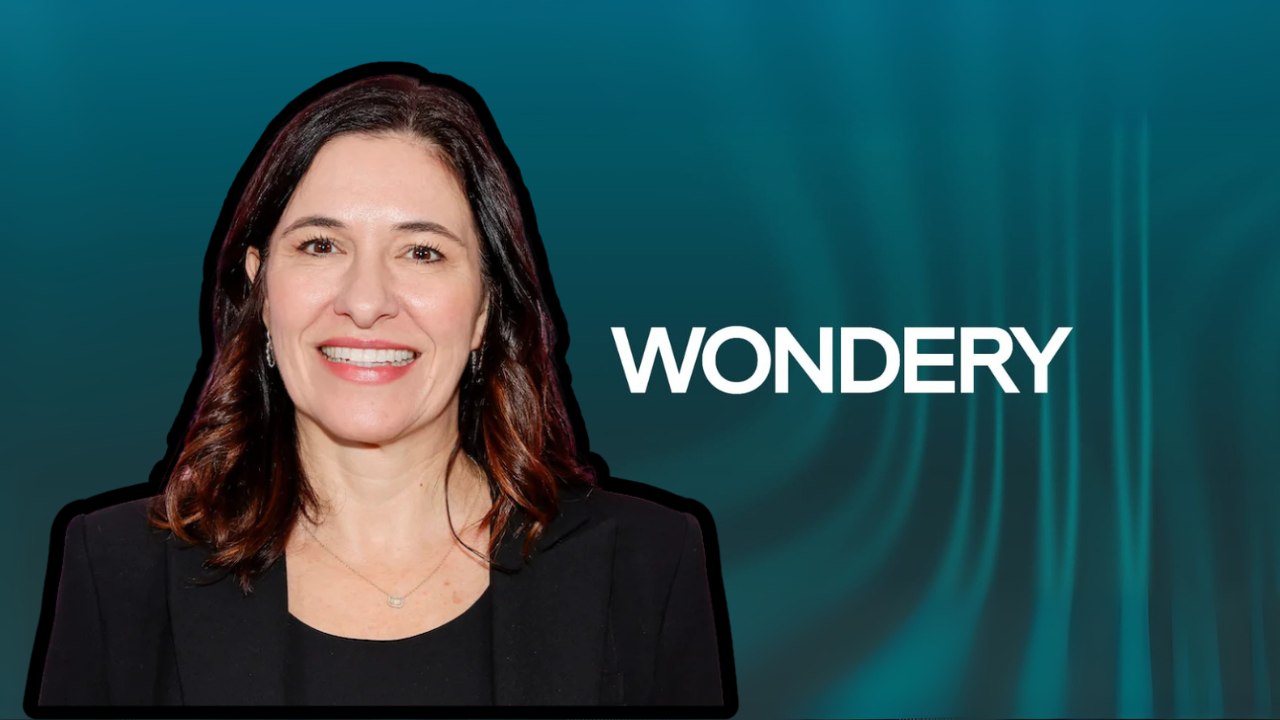
In August 2025, Amazon made headlines across the media industry by announcing a sweeping reorganization of its Wondery podcast studio. This move, which comes just four years after Amazon acquired Wondery for a reported $300 million, resulted in approximately 110 job cuts, including the departure of CEO Jen Sargent. It also marked a decisive strategic shift in how Amazon plans to approach podcasting and audio content in the coming years. Wondery, once a standalone creative powerhouse known for its premium, narrative-driven shows, will now see its storytelling properties integrated into Audible, Amazon’s audiobook platform. Meanwhile, creator-led and celebrity-hosted podcasts like New Heights, Armchair Expert, and Mind the Game will be handled by a newly formed Creator Services unit designed to focus on sponsorships, cross-platform growth, and targeted monetization strategies.
This restructuring signals a pivotal moment for the podcast industry. Amazon’s statement on the changes underscored that different types of podcasts require distinct approaches to growth and monetization. Narrative-driven, audio-first series demand a different discovery process and engagement model than creator-led, often video-integrated shows that thrive on personality, social sharing, and community engagement. By splitting these two categories into separate operational units, Amazon is attempting to better align its resources with the specific needs of each type of content. This is not merely an internal efficiency exercise—it reflects a deeper understanding of the rapidly evolving nature of audio entertainment.
Wondery’s history offers important context for why this is such a significant change. Founded in 2016, the company quickly distinguished itself with immersive, serialized podcasts that combined investigative journalism, compelling storytelling, and cinematic sound design. Shows like Dr. Death, Business Wars, and American Scandal attracted millions of listeners and set a new standard for what narrative podcasting could achieve. The brand’s success drew the attention of Amazon, which acquired it in 2020, finalizing the deal in early 2021. At that time, Amazon’s goal was clear: to strengthen its position in a competitive podcasting market and to offer more premium, original content through Amazon Music. For several years, Wondery operated with a degree of autonomy, continuing to produce the kinds of high-quality narrative series that made its name.
However, in the years since the acquisition, the podcast industry has undergone major transformations. Consumption habits have shifted, driven in part by the rise of video-first podcasting. Platforms like YouTube have become primary discovery tools for new shows, and podcast networks are increasingly producing content that blends audio with high-quality visuals. This trend toward video is especially pronounced in the creator-led segment of the market, where the personal brand of the host can be as important as the content itself. Shows that combine engaging personalities with visually shareable moments are easier to promote across social media platforms, attract more sponsorships, and appeal to a broader audience.
Amazon’s restructuring of Wondery acknowledges this divide. Narrative audio shows, while still popular, have different growth trajectories and monetization paths than personality-driven podcasts. Folding Wondery’s narrative programming into Audible is a strategic way to consolidate long-form storytelling under one brand that already caters to audiences who enjoy immersive, audio-only experiences. Audible’s existing customer base is accustomed to consuming hours-long stories, making it a natural home for Wondery’s catalog. On the other hand, placing creator-led podcasts under a dedicated Creator Services unit allows Amazon to focus on building those shows’ brands across multiple platforms, integrating video more effectively, and pursuing sponsorship opportunities that align with a host’s personal image.
For podcasters outside the Amazon ecosystem, this move is a reminder of how quickly the ground can shift beneath their feet. Platform priorities can change, corporate strategies can evolve, and the shows that once fit perfectly into a network’s vision may no longer align with its future direction. Relying on a single partner or distribution channel carries inherent risk. This is why adaptability and diversification are crucial for creators who want to build sustainable careers.
One of the most effective ways to remain adaptable in this environment is through repurposing content. Repurposing allows podcasters to maximize the value of every episode by transforming it into multiple formats that can reach audiences across different platforms. Instead of thinking of a podcast episode as a one-time release, creators should view it as a core asset from which dozens of smaller pieces of content can be derived.
For example, a single interview or narrative episode can be broken down into short-form video clips optimized for platforms like TikTok, Instagram Reels, and YouTube Shorts. These clips should feature moments with strong hooks—surprising facts, emotional revelations, or provocative statements—that will grab viewers’ attention in the first few seconds. High-performing audio segments can be paired with branded visuals and waveforms to create audiograms that stand out in social feeds. Full transcripts of episodes can be edited into blog posts, which not only provide value to readers but also improve discoverability through search engine optimization. Memorable quotes can be designed into shareable graphics, helping spread the message of the episode far beyond the podcast player. Creators can also revisit episode topics through live Q&A sessions or webinars, giving their audience the opportunity to engage more deeply with the content.
Establishing a consistent repurposing workflow is essential for making this process sustainable. It begins with auditing past episodes to identify content with evergreen appeal—episodes that will remain relevant months or even years after their release. From there, creators can set specific goals for each repurposed asset. Some pieces might be designed to drive traffic to a website, others to increase social media engagement, and still others to attract new listeners through search or recommendation algorithms. Developing templates for common repurposed formats—such as audiograms, quote graphics, and blog layouts—can save time and ensure a consistent brand identity across platforms.
The benefits of repurposing go beyond simply extending the reach of each episode. It also makes a creator less dependent on any single channel for audience growth. If a platform changes its algorithm or a distribution partner shifts its priorities, the creator still has a presence elsewhere and a library of evergreen assets that can continue to generate engagement. In the context of Amazon’s Wondery restructuring, repurposing can serve as a buffer against industry volatility.
The Wondery shake-up also illustrates the importance of understanding which category your content falls into and tailoring your strategy accordingly. Narrative storytelling podcasts often rely on consistent release schedules, strong word-of-mouth, and partnerships with platforms that can promote serialized content to engaged listeners. Personality-driven shows, in contrast, may benefit more from building a strong social media presence, producing companion video content, and cultivating a community around the host’s brand. In some cases, a hybrid approach may be possible, but it requires careful consideration of how each piece of content will be marketed and monetized.
Looking ahead, the restructuring of Wondery could have ripple effects across the industry. It may encourage other networks to reevaluate how they categorize and manage their shows, especially as the gap between audio-only and video-first podcasting continues to widen. Independent podcasters can use this moment as an opportunity to assess their own positioning. Are they primarily storytellers or personality-driven entertainers? Do they have a plan for reaching audiences on multiple platforms? Are they making the most of their content through repurposing?
The future of podcasting will likely be defined by flexibility and cross-platform thinking. Amazon’s pivot reflects a recognition that no single format or strategy can address the diverse needs of the podcast audience. For creators, the takeaway is clear: embrace adaptability, invest in repurposing, and build a content strategy that can thrive in multiple environments. Those who can pivot quickly and leverage their existing assets in new ways will be best positioned to succeed, regardless of how the industry evolves.
While Wondery’s brand as a standalone studio may be fading, the type of premium storytelling it pioneered will continue to have a place in the market. Likewise, creator-led shows will keep benefiting from the personal connections they foster with their audiences. What changes is the infrastructure behind these shows—and the strategic choices required to keep them competitive. By studying moves like Amazon’s and applying lessons in content diversification and repurposing, podcasters can ensure that their work remains relevant and resilient in an industry that never stands still.
Want to start a podcast for your niche? We got you. Explore our video podcast services.
Interested in Talking to a Producer?
Schedule a discovery call to discuss your podcast goals and how we can help bring your vision to life.
Schedule Your Discovery Call
Let's discuss your podcast goals and explore how we can help.
← Back to Article