
Key Takeaways
Wealth management firms build trust on video because prospects quietly vet advisors before ever reaching out. Video lets them experience an advisor's character, temperament, and way of thinking in advance. By the first meeting, trust is already established, so the conversation feels like a continuation rather than a cold interview.
There's a conversation happening about your firm that you're not part of.
It happens after someone gets your name from a friend, or finds you in a search, or sees your firm mentioned somewhere. Before they ever fill out a form or pick up the phone, they go looking. They read your bio. They check your reviews. They try to get a feel for who you are and whether they can picture handing you the thing they've spent thirty years building.
And then they quietly decide whether you're worth a first meeting.
That's the part most wealth management firms never see. By the time a prospect books a call, they've already made up their mind about you. The meeting isn't where trust gets built anymore. It's where it gets confirmed.
Video is how the best firms are getting into that earlier conversation.
Wealth management runs on trust, and trust is hard to Google
Almost every firm says the same things. Fiduciary. Holistic. Personalized. Client-first. These words are true, and they've also become invisible, because everyone uses them. A prospect scrolling through three advisor websites can't tell them apart, and they know it.
What they're actually trying to figure out is something a headshot and a paragraph can't answer: What is this person like? Do they talk down to people? Will they explain things or make me feel dumb for asking? Do I trust them with my family's future?
Those are questions about character. And character comes through in the way someone speaks, pauses, chooses their words, and handles a topic they clearly care about. You can't put that on a bio page. But you can put it on video.
What a prospect gets from watching you that they can't get anywhere else
When someone watches you explain a concept (For example, how you think about risk, or what actually happens in a market downturn, or why you push back when a client wants to chase a hot stock) they learn far more than the concept. They learn how you think. They hear your temperament. They get a sense of whether you're calm under pressure, because you're talking about pressure calmly.
By the time that person reaches out, the relationship has already started. They're not meeting a stranger. They're meeting someone they've been listening to, someone whose way of thinking they already like. The first meeting stops feeling like an interview and starts feeling like a continuation.
That warmth is the whole game in a trust business. It's the difference between a prospect who's cautious and a prospect who's ready.
This isn't about being polished. It's about being seen
Here's the objection we hear most often, and it's an honest one: I'm an advisor, not a performer. I don't want to be on camera.
That instinct is actually a strength. The advisors who connect on video aren't the slick ones. They're the ones who sound like themselves. They’re a little imperfect, clearly knowledgeable, obviously human. Prospects aren't looking for a TV host. They're looking for someone real enough to trust with their retirement.
You don't need to be good on camera. You need someone in your corner who makes the camera disappear. Someone who asks the right questions, keeps the conversation moving, and handles everything after you stop talking. That's a production problem, not a personality problem. And it's a solvable one.
Yes, you can do this within the compliance lines
We know that "put yourself out there" makes compliance officers nervous, and it should. But educational, values-driven content is exactly the kind of material that lives comfortably inside the rules. You're not making performance claims or promising returns. You're explaining how you think, answering the questions clients actually ask, and demonstrating expertise.
The key is treating compliance as part of the process from the start, not a scramble at the end. Build it into how the content gets planned and reviewed, and video becomes one of the safer, steadier marketing channels a firm can run.
What this actually looks like in practice
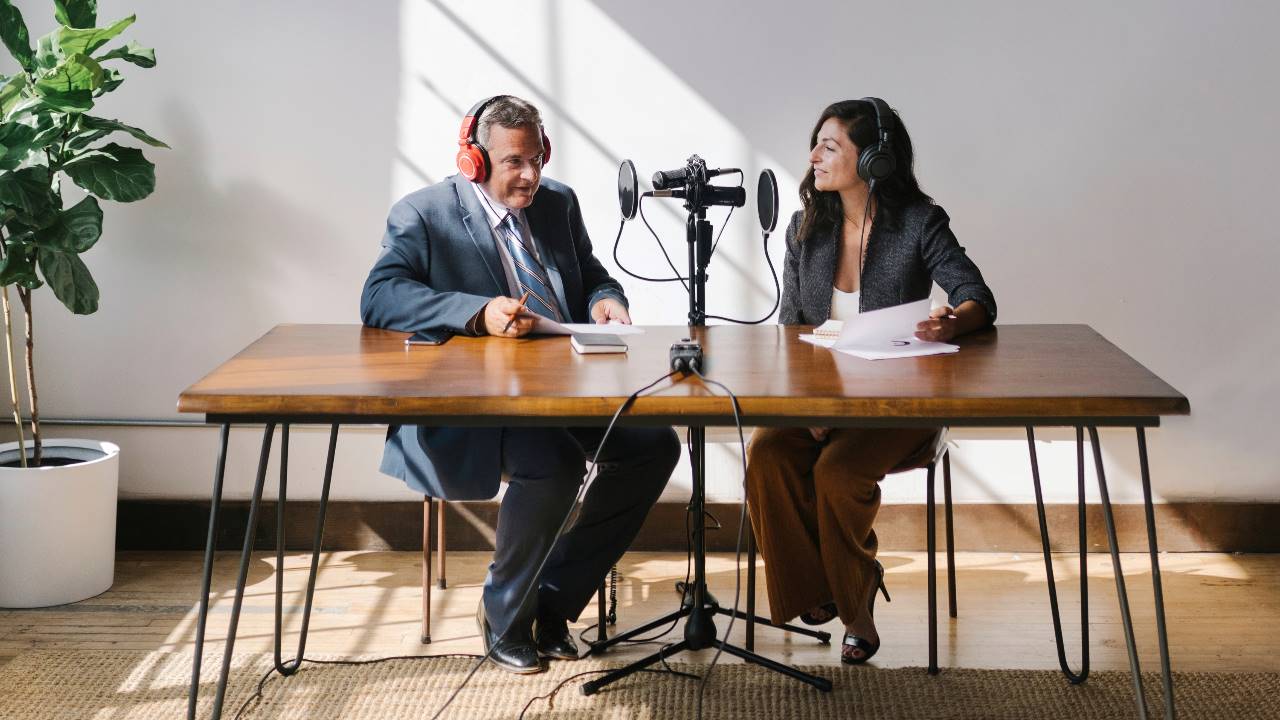
It doesn't mean launching a daily show. For most firms, it starts with something simple and sustainable: a conversation. Sit down, talk through the questions your clients ask most, and let it feel like a real discussion rather than a lecture.
From one good recording, you get a lot. A longer video for your website and YouTube. Short clips for LinkedIn, where your next client is very likely watching. Audio for people who'd rather listen on a drive. A written piece that helps you show up in search. One afternoon of talking about what you already know becomes weeks of presence. The kind of steady, familiar presence that makes a prospect feel like they already know you before they ever say hello.
That's the quiet advantage. While other firms are waiting for the phone to ring, yours is already in the conversation.
Getting started
You don't have to figure out the cameras, the editing, the clips, or the workflow. That's our job. At Hello Studios, we handle the full production so all you have to do is show up and talk about the work you love; in English, in Spanish, or both, depending on who you're trying to reach.
If you've been thinking your firm should be doing this but haven't known where to start, that's the easiest problem we solve. Come see the studio, and we'll walk you through what it could look like for you.
Frequently asked questions
Can wealth management firms use video without running into compliance problems?+
Yes. Educational, values-driven content sits comfortably inside the rules because you're explaining how you think and answering common client questions. Not making performance claims or promising returns. The key is building compliance review into the process from the start rather than treating it as an afterthought, which makes video one of the steadier marketing channels a firm can run.
What if I'm an advisor, not a performer, and don't want to be on camera?+
That instinct is actually an advantage. The advisors who connect on video aren't the polished ones, they're the ones who sound like themselves: knowledgeable, a little imperfect, clearly human. Prospects trusting you with their retirement aren't looking for a TV host. And with a producer running the conversation and handling everything afterward, the camera stops being something you perform for.
What kind of video should a wealth management firm actually make?+
Start simple: a conversation. Sit down and talk through the questions your clients ask most, so it feels like a real discussion rather than a lecture. You don't need a daily show, one good recording answering the concerns prospects already have does far more than a polished ad, because it shows your temperament and way of thinking.
Isn't a strong website bio enough to build trust?+
A bio tells people your credentials, but it can't answer the questions prospects are really asking: What is this person like? Will they talk down to me? Can I trust them with my family's future? Those are questions about character, and character comes through in how you speak, pause, and handle a topic you care about, which is exactly what video captures and a paragraph can't.
How much time does this take to keep up with?+
Less than most firms expect, because one recording stretches a long way. A single afternoon of conversation becomes a longer video for your site and YouTube, short clips for LinkedIn, audio for listeners, and a written piece that helps you show up in search, weeks of steady presence from one sitting. That "one recording, many outputs" approach is what makes it sustainable for a busy practice.